Pages

Tuesday, June 19, 2018

German researcher conducts a study on culture at Engabu Za Tooro


A German researcher, Ms. Charlotte Lonitz from the University of Passau has interacted with Engabu Za Tooro (Tooro Youth Platform for Action) cultural practitioners, experts and staff to conduct a study aimed at assessing the potentials of harnessing Uganda’s cultural heritage for its socio-economic development.

Lonitz who picked interest to conduct her study at Engabu Za Tooro because of the organizations innovative ways in revitalizing culture in Uganda and using a cultural approach to development for instance safeguarding cultural folklore, folk art and folk traditions, promoting indigenous knowledge research, using culture to mobilise, develop and promote youth talents and creative enterprises for income generation, self-reliance and using culture to enhance a sense of identity.

Lonitz having a disussion with EZT staff
The German Researcher who will be in the country for 3 weeks 2nd – 21st June 2018 interacted with Engabu Za Tooro cultural practitioners, comedians and musicians like Mugabo Stephen Abboki, Nnansimbe Ruth Amooti, Kigambo Moses Araali, Ms. Rehema Kobusinge Adyeri, Stephen Rwagweri Atwoki and Solomon Akugizibwe Apuuli and discussing with them how they are innovately using culture for development.

“I want to use my study to achieve awareness among economists, policy makers and the public in German to use culture as an approach to development because culture is a great resource for sustainable development since it’s a force for social inclusion and collective mobilization” Said Lonitz.

Engabu Za Tooro also uses cultural heritage to mobilise grassroot women for promotion of gender rights, equal participation and peaceful co-existence among communities.
Cultural heritage is also used by Engabu Za Tooro to promote good governance, public accountability, environmental sustainability, tourism and promotion of the rights of ethnic minorities and indigenous communities.


Engabu Za Tooro (Tooro Youth Platform for Action) which is accredited to provide advisory services to UNESCO (ICH Convention) and accredited as an observer of the Intergovernmental Committee on Intellectual Property and Genetic Resources, Traditional Knowledge and Folklore by World Intellectual Property Organisation (WIPO) was founded in 1999 by University leavers led by Stephen Rwagweri Atwoki.

Currently, Engabu Za Tooro (Tooro Youth Platform) is implementing a UNESCO co-funded project aimed at revitalizing ceremonies and practices associated with Empaako naming system in Uganda among the communities of the Batooro, Banyoro, Batuku, Batagwenda and Banyabindi of Western Uganda so as to enhance their capacities to transmit knowledge and skills to successive generations and to mobilise practitioners to revive the Empaako naming practice.

Monday, June 11, 2018

Engabu Za Tooro awarded by the Catholic Church for promoting culture renaissance and revival in Uganda.


Engabu Za Tooro (Tooro Youth Platform for Action) has been awarded by the Catholic Diocese of Fort Portal - Uganda for promoting cultural renaissance and revival inTooro region. Similar to what is happening in many communities in Uganda, Tooro culture has been declining because of weak institutions especially at clan and family levels, declining Runyoro – Rutooro language and abandoning the performance of cultural rituals like the Empaako naming ritual.

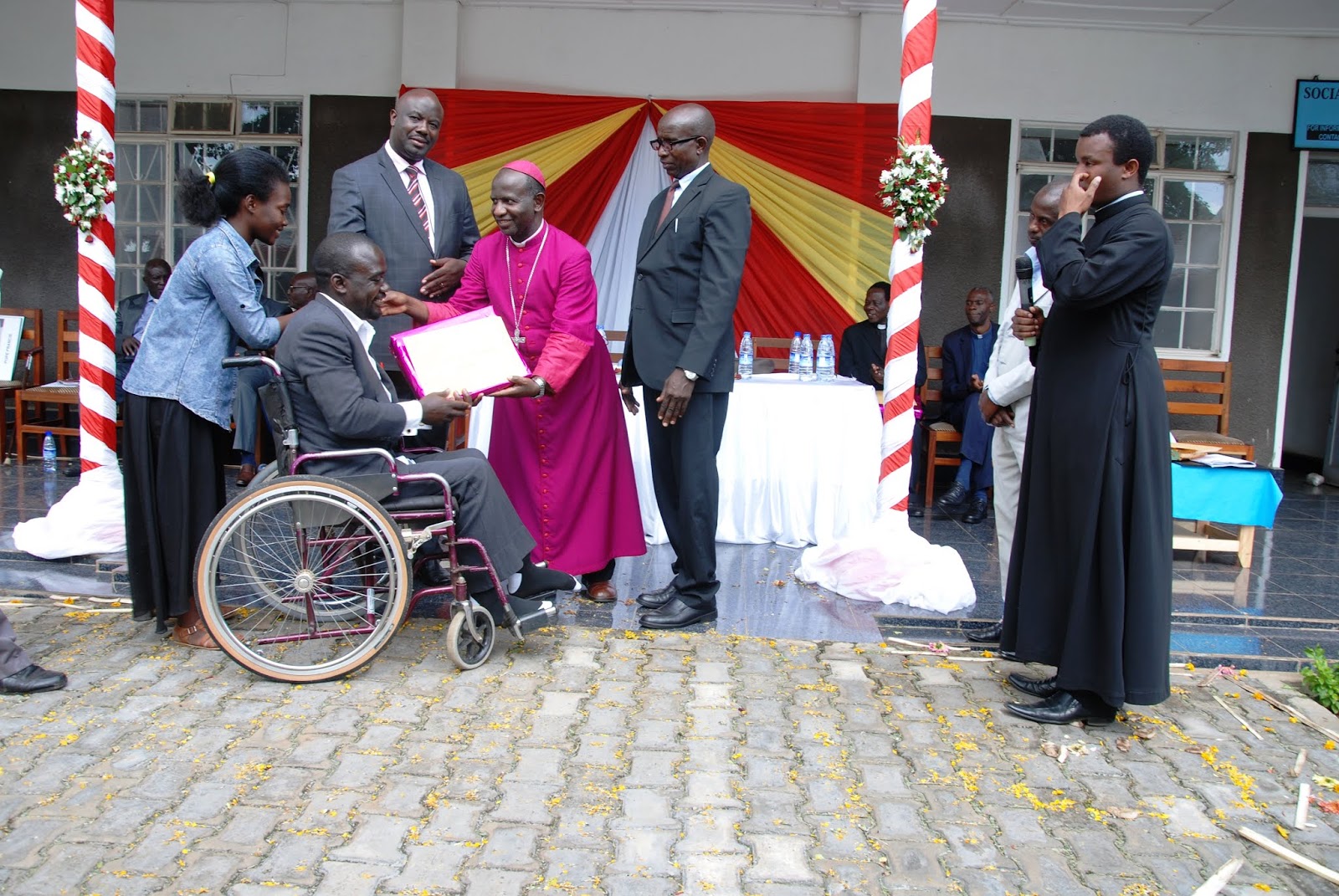
The Bishop of  Fort Portal giving out the award
While presenting the award on Sunday, 10th June, 2015 to Moses Kigambo Araali, Engabu Za Tooro cultural musician, the Bishop of the Catholic Diocese of Fort Portal Rt. Rev. Dr. Robert K. Muhiirwa appreciated Engabu Za Tooro (Tooro Youth Platform for Action) for revitalizing Tooro culture especially through cultural music, conducting indigenous knowledge research, safeguarding heritage like the Koogere and Empaako Intangible Heritage.

The Bishop of Fort Portal Diocese also appreciated Engabu Za Tooro for strengthening cultural institutions especially clans and families, strengthening Tooro language and reviving the performance of cultural rituals like the Empaako naming ritual among the Batooro, Banyoro, Basongora, Batagwenda, Banyaruguru, Batuku, Bagungu, Banyabindi, Ba NyaMboga and Baziba in Western Uganda, Eastern DR Congo and Northern Tanzania respectively.

The Catholic Diocese of Fort Portal also awarded EngabuZaTooro cultural musician Moses KigamboAraali for greatly promoting the music industry in Tooro region through his inspirational and motivational songs like Kihoire Mbogo Ya Mawu, otasomere oliwoha which motivated many people to appreciate education for development, Akaro Komugisa which was aimed at promoting tourism in the region, Itaka Kintu Kikuru aimed at inspiring people in the region to appreciate the value of land.

In addition to Kigambo Araali, other Engabu Za Tooro cultural musicians and comedians are Master Kalenzi popularly known for his Obu Nyamahunde and Busongora bwa Kogere songs, Kabagambe Salongo popularly known for his Akaracwa Omuhoro song and Zebidayo Mwesige Mukwikwi who is popularly known for his Akasindikaine comedy.

Listen to Engabu Za Tooro cultural music

The annual award was also attended by Uganda state minister for Culture Hon. Peace Mutuuzo, Edward Kawamara - the clan head of Bagweri, the head of the Empaako safeguarding committee – Msgr. Peter Kumaraki Araali, Rev. Fr. Fredrick Douglas Waako – the Director of social communications Commission at the Catholic Church, Richard Rwabuhinga Abboki – the district Chairperson Kabrole, Hon. Alex Ruhunda Akiiki – MP Fort Portal Municipality and other former political leaders like the former MPFort Portal Municipality – Henry Basaliza Araali and Former Fort Portal Mayor – Mr. Bob Kaganda among others.

EZT Cultural Troupe perfoming
Engabu Za Tooro (Tooro Youth Platform for Action) which is accredited to provide advisory services to UNESCO (ICH Convention) and accredited as an observer of the Intergovernmental Committee on Intellectual Property and Genetic Resources, Traditional Knowledge and Folklore by World Intellectual Property Organisation (WIPO) was founded in 1999 by University leavers led by Stephen Rwagweri Atwoki who is its current Executive Director and also the head of the Bafumambogo clan in Tooro region.

The organization was initially founded as a University student transition movement with a purpose of orienting university leavers to indigenous culture and community development work in Uganda.

The core programmes of the organization are Indigenous knowledge research and safeguarding heritage, development of youth talents and cultural enterprises, using culture to sensitise communities on gender, using culture to promote peace, using culture to promote tourism, using culture to safeguard the environment, promoting the rights of indigenous peoples and finally using culture to promote good governance.

Engabu Za Tooro Certificate
Currently, Engabu Za Tooro (Tooro Youth Platform) is implementing a UNESCO co-funded project aimed at revitalizing ceremonies and practices associated with Empaako naming system in Uganda among the communities of the Batooro, Banyoro, Batuku, Batagwenda and Banyabindi of Western Ugandaso as to enhance their capacities to transmit knowledge and skills to successive generations and to mobilise practitioners to revive the Empaako naming practice.

Empaako is naming system whereby in addition to a family and given name, a child is given a special name called Empaako selected from a fixed and closed list of 12 (twelve) Empaako names shared by the entire society and used as a declaration of respect, endearment or affection.

This practice has been shared and transmitted from generation to generation in Empaako communities of Batooro, Banyoro, Banyabindi, Basongora, Batuku, Batagwenda, Banyaruguru, Bagungu, Ba Nya Mboga and Baziba located in Western Uganda, Eastern DR Congo and Northern Tanzania respectively.

Engabu Za Tooro ED training clan leaders
However, the Empaako naming practice is facing threats of extinction mostly due to decline of its mother language (Runyoro - Rutooro), modernization, abandoning our traditional rituals, weakening cultural institutions, and attack from modern religious extremist denominations. 


Friday, June 8, 2018

EZT staff appeals to human rights institutions and activists to put more emphasis on the cultural rights of indigenous and minority communities


While attending a two (2) days residential training on digital and physical safety, the cultural rights officer, Engabu Za Tooro (Tooro Youth Platform for Action) Solomon Akugizibwe appealed to human rights institutions and human rights activists to put more emphasis on the often‘ignored’in human rights circles the promotion of cultural rights and the rights of the indigenous peoples and minorities in Uganda.

Engabu Za Tooro Cultural Officer rights, Solomon Akugizibwe at the training
“Profile communities of indigenous peoples and minorities especially in relation to the problems they face, campaign against exclusion, discrimination and violation of cultural rights of indigenous peoples and minorities” Said Akugizibwe

Akugizibwe adds “Expose violations and abuses of the cultural rights of indigenous peoples and minorities and also facilitate accessibility to legal and administrative services incase of desire for redress against violations.”

In the Rwenzori region, Western Uganda the Basongora, Batwa, Batuku and Banyabindi are some of the indigenous and minority communities who need urgent support in-terms of enhancing the promotion of their cultural rights so that they can be more empowered.

Engabu Za Tooro (Tooro Youth Platform for Action) which is accredited to provide advisory services to UNESCO (ICH Convention) and accredited as an observer by World Intellectual Property organization (WIPO) is already promoting the rights of some of the indigenous and minority communities through documentation of their intangible cultural heritage in need of urgent safeguarding with funding from UNESCO Intangible Cultural Heritage Fund for instance the Koogere intangible cultural heritage especially among the Basongora.

Some of the participants at the training
Another intangible cultural heritage Engabu Za Tooro (Tooro Youth Platform for Action) is promoting is Empaako Intangible cultural heritage among the Basongora, Batuku and Banyabindi indigenous and minority community in the Rwenzori Region.

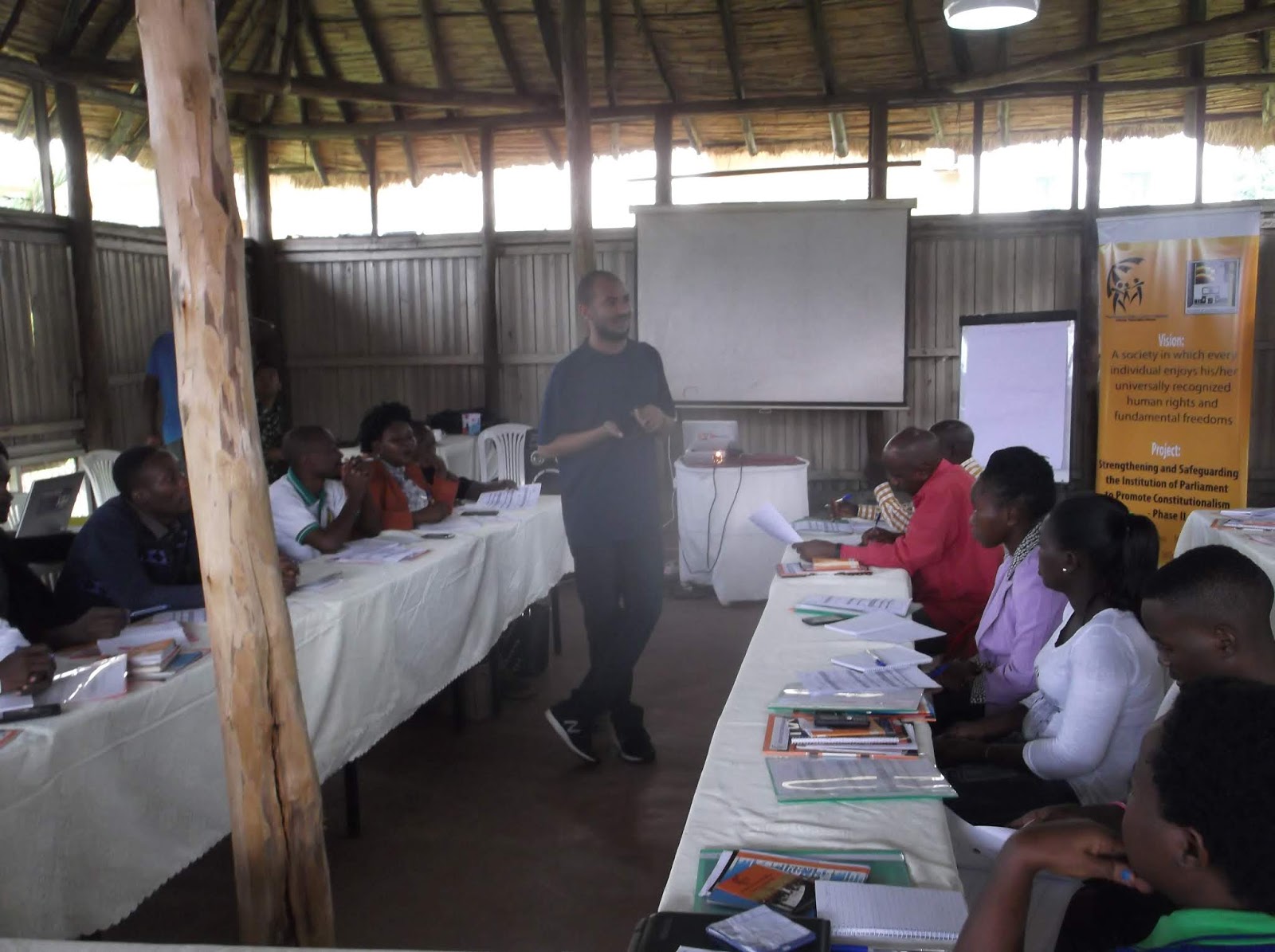
Defend Defenders trainer engaging the participants 
The two days training conducted on 5th – 6th June, 2018 at Rwenzori International Hotel, Kasese district which attracted thirty (30) human rights activists from Western Uganda and supported by Human Rights Centre, Defend Defenders and Freedom House was aimed at equipping CSO’s and HRD’s with knowledge and skills necessary to enhance their personal and digital security.

The training was also aimed at enhancing the HRD’s knowledge and understanding of the concepts of human rights and human rights defenders and their personal and digital safety strategies and finally the training was aimed at discussing and laying practical strategies for better networking amongst HRD’s and protection and promotion of human rights and the rights of HRD’s in Uganda.

Monday, May 28, 2018

Are you interested to participate in documentation of our culture? Here is the opportunity!


Engabu Za Tooro (Tooro Youth Platform for Action) invites all people from Empaako communities interested in documenting their traditions to register officially at Engabu Za Tooro offices located at Plot 18 Kaija Road, Kabundaire. P. O Box 886, Fort Portal – Uganda. Or you can call on +256 (0) 483 422 187 or +256 (0) 772 469 751 or email to info@engabuzatooro.or.ug or engabuzatooro@gmail.com.

EZT poster
According to a statement from Engabu Za Tooro (Tooro Youth Platform for Action) Executive Director, Stephen Rwagweri Atwoki, Engabu Za Tooro is interested in people skilled in documentation like book writers, creative writers, professional videographers, professional photographers, visual artists, sculptors, song writers, composers, poets, ritual leaders, herbalists, presenters of cultural programs on electronic media, vernacular teachers and translators among others.

The deadline for official registration is 20th June, 2018 and the official non-refundable registration fee is UGX 20,000 which will be put in the basket of the 20 percent community contribution since UNESCO is only contributing 80 percent for the revitalization and safeguarding of our cultures like the Empaako Intangible Cultural Heritage to enable people sustainably safeguard and revitalize their culture especially the Empaako naming system for generations.

Official announcement
The 20 percent contribution to UNESCO co-funded Empaako safeguarding and revitalization campaign is dubbed, “Tutemu engaro or Bacwezi njuna naagaawe otaireho.” Engabu Za Tooro (Tooro Youth Platform for Action) is accredited to offer advisory services to UNESCO (ICH Convention).

The United Nations Education, Scientific and Cultural Organisation (UNESCO) adopted a decision to co-fund a two year project for the safeguarding of Empaako naming system during the 12th session of the UNESCO’s Intergovernmental Committee for the safeguarding of the Intangible Cultural Heritage which was held in December, 2017 at the International Convention Centre located in Jeju Island in the Republic of South Korea.

Empaako is naming system whereby in addition to a family and given name, a child is given a special name called Empaako selected from a fixed and closed list of 12 (twelve) Empaako names shared by the entire society and used as a declaration of respect, endearment or affection.

This practice has been shared and transmitted from generation to generation in Empaako communities of Batooro, Banyoro, Banyabindi, Basongora, Batuku, Batagwenda, Banyaruguru, Bagungu, Ba Nya Mboga and Baziba located in Western Uganda, Eastern DR Congo and Northern Tanzania respectively.

However, the Empaako naming practice is facing threats of extinction mostly due to decline of its mother language (Runyoro - Rutooro), modernization, abandoning our traditional rituals, weakening cultural institutions, and attack from modern religious extremist denominations. 

Click on the links below for the official announcements and the official registration form.


“UNESCO co-funded Empaako safeguarding project should put emphasis on the youth so that it can be sustainably transmitted from generation to generation” Juliana Naume Akoryo.


The commissioner for culture in the Uganda ministry of Gender, Labour and social Juliana Naume Akoryo has appealed to the Empaako communities of the Banyoro, Batooro, Batuku, Batagwenda, Banyabindi and Ba Nyamboga to put much emphasis on revitalizing culture among the youth and children so that culture can be sustainably transmitted from generation to generation since young people are the future leaders.

Juliana Akoryo (standing)
“Focus on the youth and schools so that culture is transmitted from generation to generation and it’s better to tap on the mostly used media by the youth especially social media like facebook, twitter and whatsapp so that young people can effectively be enlisted in the revitalization of their culture especially the Empaako Intangible Cultural Heritage (ICH)”Said Akoryo while speaking at the Empaako Project Management Committee (PMC) meeting at Garden’s Restaurant – Fort Portal on Wednesday, 23rd May 2015.

Akoryo adds, “theEmpaako naming system is threatened with extinction especially from abandoning performance of cultural rituals like the Empaako naming, weakening cultural institutions like clans and family, declining Runyoro – Rutooro language, modernization and the emerging religious cults which criminalize the Empaakopractice.”

However, Akoryo cautioned members of the Empaako communities not to force communities which don’t susbscribe to Empaako to practice the Empaako naming ritual since Empaako is a cultural element and allegiance to culture is voluntary according to the Uganda constitution and other international human rights instruments like the Universal Declaration of Human Rights (UDHR).

The meeting which was attended by over twenty (20) people including the seventeen (17) member PMC from the Empaako communities, Ministry of Gender, Labour and Social Development, Uganda National Commission for UNESCO (UNATCOM), community coordinators and representatives from the district local governments of Kabarole, Hoima, Kamwenge and Ntoroko.

Participants who attended the PMC meeting taking a group photo
The PMC was also attended by representatives from Tooro Kingdom, Bunyoro Kingdom, Batagwenda Elders Forum, Batuku elder’s forum, representatives from the Banyabindi Development Trust and cultural practitioners and staff from Engabu Za Tooro (Tooro Youth Platform for Action).

The meeting which was aimed at strengthening the stakeholders in the Empaako communities to enhance the observance of the Empaako naming rituals, strengthening the mechanisms of the community’s self-help mechanisms in safeguarding their own Intangible Cultural Heritage (ICH) in the modern context and finally improving on the Empaako communities capacity to safeguard ICH in modern context.

The head of the Empaako Heritage Foundation Msgr. Peter Kumaraki Araali who also doubles as the Board Chairperson of Engabu Za Tooro (Tooro Youth Platform for Action) which is accredited to provide advisory services to UNESCO (ICH Convention) while speaking at the meeting appealed to the people in the Empaako communities to contribute 20 percent since UNESCO is only contributing 80 percent for the revitalization and safeguarding of Empaako to enable people to sustainably safeguard and revitalize their culture especially the Empaako naming system for generations.

The program Officer of UNATCOM Mr. Darniel Kaweesi while speaking at the meeting appealed to people from the Empaako communities to keep scanning the environment and look for other Intangible cultural elements threatened with extinction so that they can be safeguarded before it’s too late. Mr. Kaweesi also appealed to the PMC members to come up with a manual targeting the safeguarding of Empaako in the district local governments of the Empaako communities so that Empaako safeguarding is embedded within the district local government workplans and budgets.

The Executive Director of Engabu Za Tooro (Tooro Youth Platform for Action), Stephen Rwagweri Atwoki who emphasized that the PMC should work hard to ensure the project is effectively and efficiently implemented since the UNESCO co-funded Empaako safeguarding project which started in February 2018 and will only take 21 months.

Rwagweri Atwoki further cautioned PMC to avoid ‘killing’ this project especially now in its early stages by emphasizing that the project will be fully supported with funds from UNESCO, “if you want to kill Empaako, give them (people from Empaako communities) a belief that they will be assisted from outside (UNESCO)” Said Rwagweri Atwoki while speaking at the PMC meeting.

Stephen Rwagweri (in green suit) giving a media interview about the PMC meeting
Rwagweri Atwoki added, “the 20 percent contribution to safeguard and revitalize the Empaako ICH should be mobilized and managed locally by the different Empaako communities.”

So far, some of the key outputs of the Empaako safeguarding project are the establishment of the state of the art BIO pics documentation unit with high tech equipment at the secretariat, publication of the community based ICH documentation handbook of international standards and publication of rituals and ceremonies among Empaako communities.

In addition, other key outputs are making a video production on traditional rituals and ceremonies among Empaako communities adapted to different formats and audiences and establishment of the dissemination network involving electronic media, online media, publications agency system and spontaneous community meetings on the safeguarding and revitalization of Empaako in the Empaako communities in Western Uganda, Eastern DRC and Northern Tanzania.

While the representative from Bunyoro Empaako community appealed to the PMC to put up visible projects like naming forests with Empaako so that people from the Empaako communities can effectively and efficiently easily understand the Empaako safeguarding and revitalization of our cultures. 

The United Nations Education, Scientific and Cultural Organisation (UNESCO) adopted a decision to co-fund a two year project for the safeguarding of Empaako naming system during the 12th session of the UNESCO’s Intergovernmental Committee for the safeguarding of the Intangible Cultural Heritage which was held in December, 2017 at the International Convention Centre located in Jeju Island in the Republic of South Korea.

Empaako is naming system whereby in addition to a family and given name, a child is given a special name called Empaako selected from a fixed and closed list of 12 (twelve) Empaako names shared by the entire society and used as a declaration of respect, endearment or affection.

This practice has been shared and transmitted from generation to generation in Empaako communities of Batooro, Banyoro, Banyabindi, Basongora, Batuku, Batagwenda, Banyaruguru, Bagungu, Ba Nya Mboga and Baziba located in Western Uganda, Eastern DR Congo and Northern Tanzania respectively.

However, the Empaako naming practice is facing threats of extinction mostly due to decline of its mother language (Runyoro - Rutooro), modernization, abandoning our traditional rituals, weakening cultural institutions, and attack from modern religious extremist denominations. 

Monday, May 21, 2018

“UNESCO co-funded Empaako project is aimed at empowering our people to take charge of their own destiny in safeguarding their very own culture.” Rwagweri Atwoki


The Executive Director of Engabu Za Tooro (Tooro Youth Platform for Action) Stephen Rwagweri Atwoki has appealed to the Empaako communities to take charge of their own destiny in safeguarding their culture from extinction so that their culture is sustainably safeguarded and preserved for generations.

“We are not going to spoon feed our people in preserving their very own culture, we shall only empower our people to take charge of their own destiny in preserving their own culture for generations since the UNECSO co-funded project is temporary and only aimed at boosting us (Empaako communities).” Said Rwagweri Atwoki.

Rwagweri (seated) stressing a point at the meeting
Rwagweri Atwoki added, “UNESCO is only supporting us with 80 percent of the funds for 2 (two) years and we need to contribute the remaining 20 percent since it is our very own culture we are safeguarding from extinction and not the cultures of the Europeans and Americans who are providing the biggest chunk of the funds and soon we shall launch a campaign titled ‘Mucwezi njuna nagawe otaireho’ to mobilise resources to safeguard our very own cultural elements threatened with extinction like the Empaako Intangible cultural heritage.”

“We cannot do something for us without us and we need to start now and not later in mobilizing ourselves in safeguarding our culture and traditions from extinction through such campaigns like ‘Mucwezi njuna nagawe otaireho’. We already have solid evidence to show that cultures, clans or communities can be extinct especially when powerful ones come and take over the weak ones for instance the once powerful Bacwezi clan is no more. The once powerful Basongora community is fast sliding towards a cliff.” Said Rwagweri Atwoki while speaking at the Bagweri Clan function in Kitumba, East Division – Fort Portal Municipality.

Rwagweri Atwoki who is also a Mufumambogo and the head of the Bafumambogo clan in Tooro Kingdom whose totem is a buffalo further appealed to the people in the Empaako communities to seek inspiration from Buganda Kingdom whose ‘Etofali’ campaign has assisted them to revitalize their culture and develop as a community through mobilizing resources from Baganda themselves to restore Kasubi Royal Tombs and other Buganda royal cultural sites, starting of television and radio stations, universities and massive building projects among others.

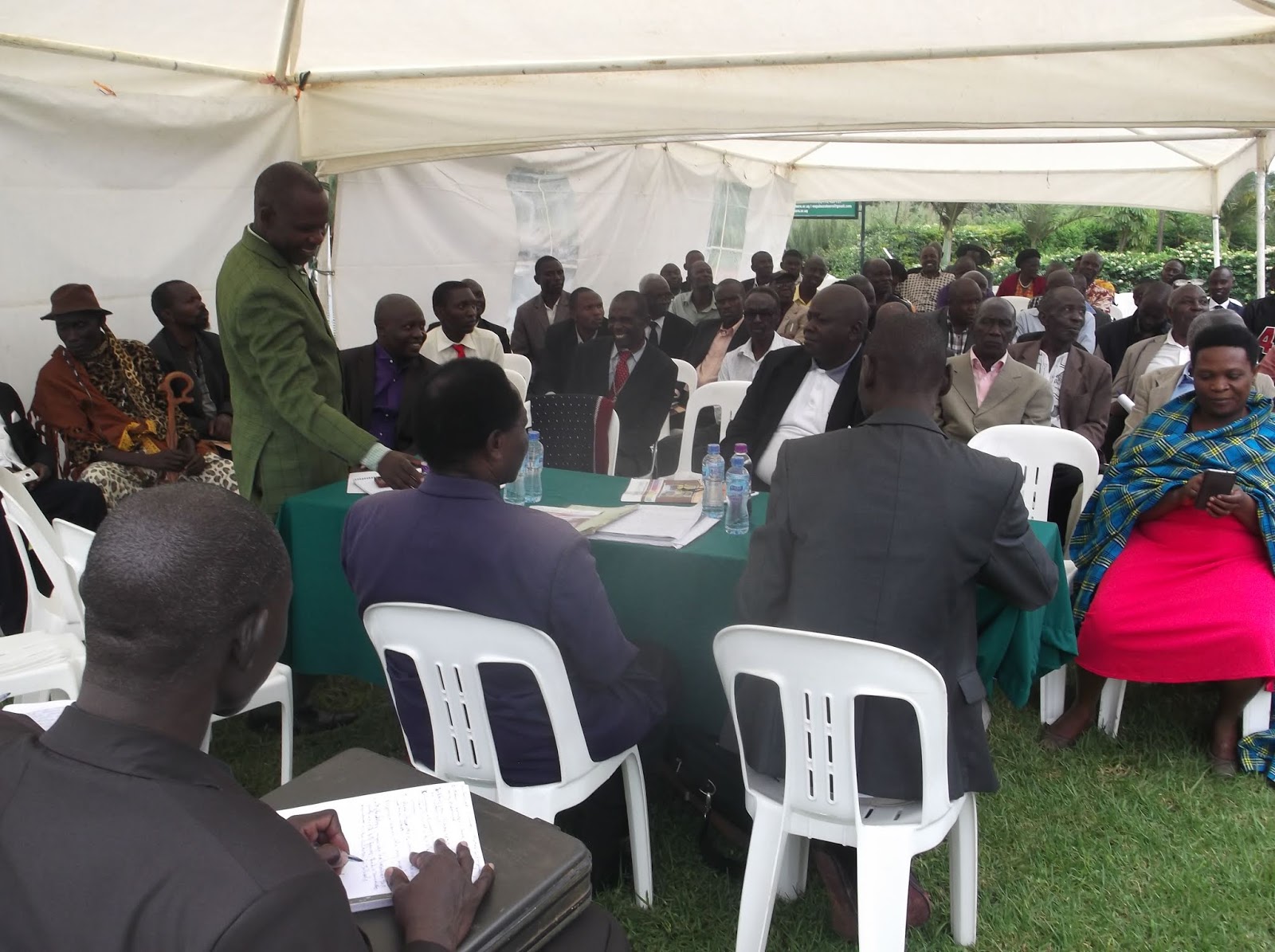
Some of the clan members who attended the clan meeting
While speaking at a clan meeting for the Bagweri clan in Kitumba, East Division – Fort Portal Municipality on Sunday, 20th July 2018, Rwagweri Atwoki highlighted 3 (three) signs to show that our culture is becoming extinct like abandoning our traditional rituals for instance the Empaako naming ritual, weakening family institutions like clans and families and displacement of people from their ancestral territories.

The United Nations Education, Scientific and Cultural Organisation (UNESCO) adopted a decision to co-fund a two year project for the safeguarding of Empaako naming system during the 12th session of the UNESCO’s Intergovernmental Committee for the safeguarding of the Intangible Cultural Heritage which was held in December, 2017 at the International Convention Centre located in Jeju Island in the Republic of South Korea.

Empaako is naming system whereby in addition to a family and given name, a child is given a special name called Empaako selected from a fixed and closed list of 12 (twelve) Empaako names shared by the entire society and used as a declaration of respect, endearment or affection.

This practice has been shared and transmitted from generation to generation in Empaako communities of Batooro, Banyoro, Banyabindi, Basongora, Batuku, Batagwenda, Banyaruguru, Bagungu, Ba Nya Mbogaand Baziba located in Western Uganda, Eastern DR Congo and Northern Tanzania respectively.

However, the Empaako naming practice is facing threats of extinction mostly due to decline of its mother language (Runyoro - Rutooro), modernization, abandoning our traditional rituals, weakening cultural institutions, and attack from modern religious extremist denominations. 

The one day Bagweri clan meeting which attracted over 100 clan members was organized by Bagweri Clan Brotherhood and co-supported by Engabu Za Tooro (Tooro Youth Platform for Action).

The Bagweri clan brotherhood which is headed by Rugumayo Dominick Apuuli started in 2015 with an aim of revitalizing culture, strengthening Bagweri clan and empowering the Bagweri clan members economically through giving low interest loans to clan members from their SACCO.

According to the clan chairperson, Rugumayo Apuuli, since 2015, the Bagweri Brotherhood which operates in Busoro Sub County and Fort Portal Municipality in Kabarole district has helped in reducing conflicts among the Bagweri clan members through using the Alternative Dispute Resolution (ADR) mechanism mostly arbitrating in disputes relating to land and family conflicts.

The organization has also assisted in preserving our traditional cultures especially through teaching children morals and African cultures like respecting old people and dressing among others. Children of the underprivileged clan members have also been supported with education scholarships and gifts given to the best performing students to encourage education of children among Bagweri clan members. 

Lastly, the Bagweri Clan brotherhood has also assisted in empowering the Bagweri clan members economically through giving low interest loans to clan memberswith locally generated funds from clan members to the Bagweri Savings, and credit cooperative organization (SACCO). 


Monday, May 14, 2018

Bafumambogo clan members launch an education fund for the underprivileged clan members


Bafumambogo clan members of the Lui Nyakaana lineage have launched an education fund called Lui Nyakaana Education fund to assist the underprivileged but willing and determined to study members of theBafumambogo clan. Lui Nyakaana who passed on in 1984 was buried at Mukunyu, Butiiti Sub County, Kyenjojo District – Tooro Kingdom.

The education fund was launched at meeting held on Saturday, 12thMay 2018 at Mukunyu in Kyenjojo district – Tooro Kingdom and presided over by the head of the Bafumambogo clan Mr. Stephen RwagweriAtwoki who is also a direct descendant of Lui Nyakaana and Executive Director of Engabu Za Tooro (Tooro Youth Platform for Action).

The traditional ceremonial chair of Bafumambogo clan
Engabu Za Tooro (Tooro Youth Platform for Action) is a Uganda cultural NGO accredited to provide advisory services to UNESCO (ICH Convention) and currently is implementing a two year UNESCO co-funded project aimed at safeguarding the extinction of the Empaako Intangible Cultural Heritage among the Banyoro, Batooro, Banyabindi, Batagwenda, Banyaruguru, Batuku and Ba Nyamboga.

The function which was organized to inspire people of the Empaako communities to revitalize their culture by strengthening their family and clan systems was attended by hundreds of people including the Bishop of Ruwenzori Diocese – Fort Portal Rt. Rev. Reuben Bizarwenda Kisembo and Mpumwirwe Alinaitwe Akiiki who is the head of the Bafumambogo clan in Mwenge County.

Also, the families of the direct lineage of Lui Nyakaana who attended the traditional function were the families of Kandole Phillip, family of Silas Ateenyi, family of Wenkya Nyansiyo, family of Emmanuel Kasangaki, family of Damiano Mubu and family of Yozefu Kasangaki who are direct descendants of Lui Nyakaana. During the function, the Empaako naming ritual was celebrated and Tooro traditional meals were also prepared.

The Lui Nyakaana education fund was launched by the head of the Bafumambogo clan in Tooro Kingdom – Stephen Rwagweri Atwoki who is a Mufumambogo from Kajarwagonya, Rusekere in Kabarole District.

“We are launching the Nyakaana education fund because education is the key to success. The fund will only assist Bafumambogo clan members who are determined to succeed with their education.” Said Rwagweri Atwoki.

The Bishop of Ruwenzori Diocese Rt. Rev. Reuben Kisembo speaking at the function
The education fund is named after the late Lui Nyakaana because he supported valued and encouraged education not only for his children but also for other community members, relatives and clan members. In addition, Lui Nyakaana respected the preservation of our African culture especially the Runyoro – Rutooro language, traditional dressing, traditional meals and respected the traditional institutions especially clans and Tooro Kingdom.

The Bishop of Ruwenzori Diocese who is also one of the prominent Mufumambogo clan and the treasurer of the Bafumambogo clan in Tooro Kingdom Rt. Rev. Reuben Kisembo while addressing the Bafumambogo clan members appealed to them to continue preserving their culture, educate their children and respect God in order for them to develop.

The Bafumambogo clan head, Stephen Rwagweri Atwoki having a group photo with the family of Silas Ateenyi
Rwagweri Atwoki while addressing the Bafumambogo clan members indicated that our culture is threatened with extinction because of the weakening cultural institutionslike clan and family institutions, abandoning our rituals like the Empaako naming ritual and displacement of the people from their ancestral territories. Rwagweri appealed to the people from the Empako communities to double their efforts in strengthening their institutions especially their family and clan institutions, continue to perform their cultural rituals and desist from being displaced or detached from their ancestral territories.

Engabu Za Tooro Cultural Troupe perfoming
In addition, Rwagweri Atwoki also appealed to Bafumambogo clan members to embrace and support the UNESCO co-funded project of safeguarding the Empaako intangible cultural heritage especially through documentation through writing, music and drama among others since it is a cornerstone to the preservation of the Banyoro – Batooro heritage.

During the one day function which started at 10am and ended at 8pm with a traditional meat roasting event, taking of traditional beers and entertainenment with cultural music by Master Kalenzi, Kigambo Moses Araali and Engabu Za Tooro Cultural Troupe.